
Uncategorized
What Is a Swedish Massage Good For? 5 Benefits and Who It’s For
Swedish massage is good for relieving everyday muscle tension, reducing stress, and promoting physical relaxation. Its combination of gentle, flowing strokes and rhythmic kneading may help ease mild muscle discomfort, encourage a sense of calm, and leave your body feeling more comfortable.
For people dealing with long workdays, tight shoulders, or general fatigue, Swedish massage offers a relatively gentle approach to bodywork. While individual results vary and massage is not a substitute for medical treatment, understanding its benefits can help you decide whether it is the right experience for your needs.
What Is Swedish Massage and How Does It Work?
Swedish massage is one of the most widely practiced forms of massage therapy. It uses a combination of smooth, gliding movements, kneading, and controlled pressure to work with the body’s muscles and soft tissues.
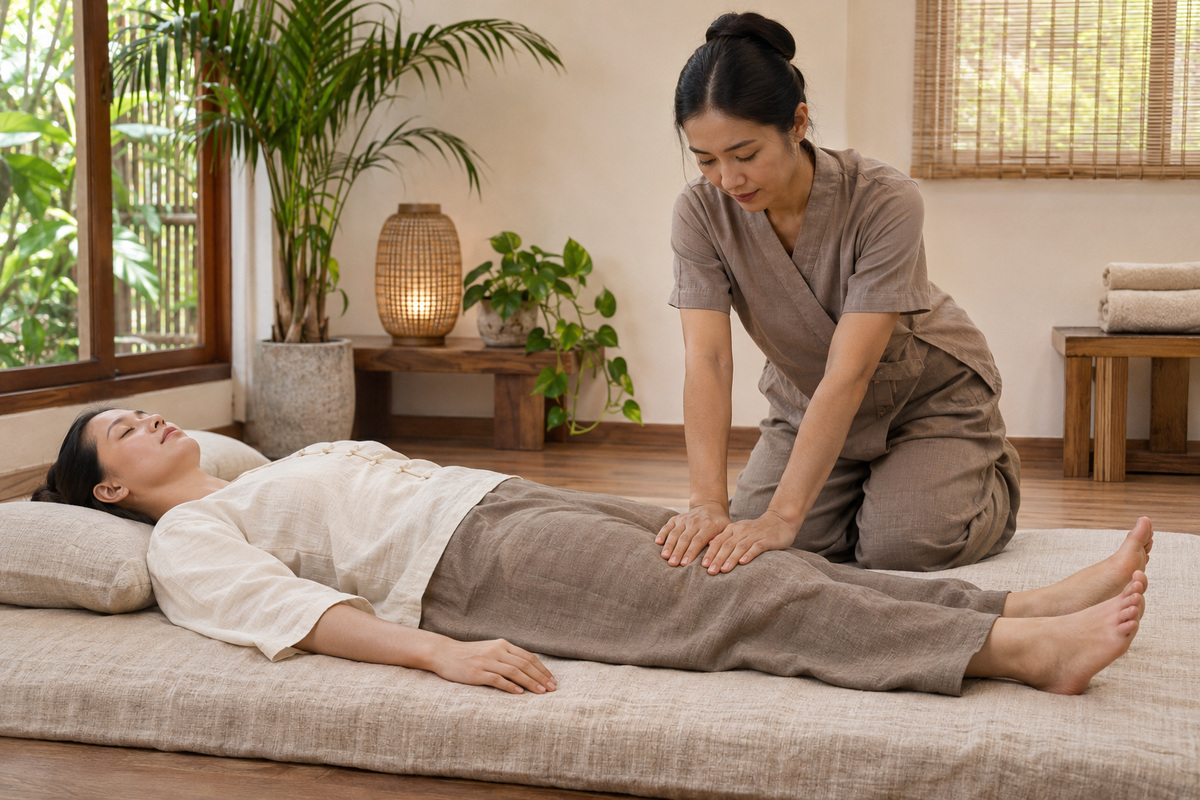
Unlike massage styles that emphasize strong compression or extensive stretching, Swedish massage typically focuses on relaxation and overall muscular comfort. Pressure can range from light to moderate or firmer levels depending on your preferences and the therapist’s approach.
Several traditional techniques contribute to the experience:
- Effleurage involves long, flowing strokes that help create a relaxing rhythm across the body.
- Petrissage uses kneading, lifting, and rolling movements to work with muscles and surrounding soft tissues.
- Friction applies more concentrated movements to particular areas of tension.
- Tapotement uses gentle, rhythmic tapping or percussion techniques.
- Vibration involves small shaking or trembling movements intended to relax the treated area.
Not every Swedish massage session includes all five techniques. Therapists may adapt their movements according to your comfort, sensitivity, and treatment goals.
Massage oil or lotion is commonly used to help the therapist’s hands move smoothly across the skin, creating a continuous and comfortable experience.
What Is a Swedish Massage Good For? 5 Main Benefits
The primary benefits of Swedish massage relate to relaxation, temporary relief from muscle tension, and improved physical comfort. While it is often associated with spa treatments, many people choose this massage style as part of their personal wellness routine.
The following benefits explain why Swedish massage may be appealing for different everyday needs.
1. Helps Reduce Everyday Stress and Promote Relaxation
Stress does not always remain a purely emotional experience. A demanding schedule, prolonged concentration, or insufficient rest may leave your shoulders tense and your body feeling physically exhausted.
Swedish massage uses rhythmic, repetitive movements that many people find calming. The combination of comfortable touch, a peaceful environment, and time away from everyday responsibilities can create an opportunity to unwind.
Some people experience a calmer mood and reduced feelings of stress after a session. However, Swedish massage should be viewed as a supportive relaxation practice rather than a treatment for underlying mental health conditions.
2. Eases Muscle Tension and Stiffness
Long periods of sitting, repetitive movements, and everyday physical activities can contribute to feelings of muscular tightness.
For example, working at a computer throughout the day may leave your upper back and shoulders feeling tense. Swedish massage allows the therapist to apply kneading and gliding movements across these areas without necessarily using intense pressure.
The experience may help your muscles feel less tense and make ordinary movements more comfortable afterward.
3. May Relieve Mild Muscle Aches and Discomfort
Swedish massage may offer temporary relief from mild muscular discomfort associated with everyday activities.
Rather than concentrating entirely on one particularly tight area, a session can involve several muscle groups, making it appealing when your body feels generally tired or achy.
Research on massage therapy suggests that certain types of pain, including some neck and shoulder discomfort, may improve in the short term. However, the National Center for Complementary and Integrative Health notes that evidence for lasting pain relief remains limited.
Massage cannot reliably correct the underlying causes of persistent pain. If discomfort continues, worsens, or interferes with your daily activities, professional medical evaluation is important.
4. Encourages Restfulness and Better Sleep
When you feel physically tense or mentally overwhelmed, relaxing at the end of the day may become difficult.
Swedish massage creates a calming experience through slow movements, comfortable pressure, and an opportunity to rest without distractions.
Some people find that they feel more settled or ready for sleep after receiving a relaxing massage. However, this does not mean Swedish massage has been proven to treat insomnia or consistently improve sleep quality for everyone.
If your primary goal is relaxation before bedtime, a gentler session may feel more suitable than intensive bodywork.
5. Supports General Body Comfort and Ease of Movement
Muscle tension can sometimes make ordinary movements feel restricted, even when no specific injury is present.
By working across larger muscle groups, Swedish massage may help reduce the sensation of tightness and leave your body feeling more comfortable during everyday movement.
You might notice that your shoulders feel less tense or that moving after a long workday feels easier.
These effects are generally temporary and should not be confused with permanently improving flexibility or correcting posture. Regular physical activity, stretching, and movement habits remain important for maintaining long-term mobility.
What Does a Swedish Massage Feel Like?
A Swedish massage generally feels smooth, rhythmic, and relaxing rather than intensely demanding. The therapist typically uses oil or lotion to perform continuous strokes along your back, shoulders, arms, and legs.
Although some kneading techniques may feel firmer, the overall experience should remain comfortable. You can ask for lighter or stronger pressure at any point.
If this is your first massage, knowing how a session usually unfolds can help you feel more prepared.
- Before the session, your therapist may ask about areas of tension, your preferred pressure, and any health concerns that could affect the treatment.
- During the massage, you generally lie on a massage table while the therapist works on different areas using gliding strokes, kneading, and other appropriate techniques. Professional draping helps maintain your privacy.
- After the session, you can take a moment to sit up gradually and notice how your body feels. Some people feel deeply relaxed, while others experience mild temporary tenderness.
You should never feel obligated to tolerate painful pressure. Sharp pain, tingling, numbness, or unusual discomfort are reasons to tell your therapist immediately.
A typical appointment may last 60 or 90 minutes, depending on the service offered. A longer session provides additional time for treatment, but it does not automatically produce better results.
Who Is Swedish Massage Best For?
Swedish massage can appeal to a wide range of people, particularly those who prefer a gentler and more relaxing form of bodywork.
It may be worth considering if you recognize yourself in one of these situations:
- You are trying professional massage for the first time and prefer an approachable introduction.
- You spend much of your day sitting at a desk and experience general shoulder or back tension.
- You want to relax after a busy workweek without receiving particularly intense pressure.
- You feel generally tired or stiff and would prefer attention across several areas of your body.
- You enjoy massage oil, smooth movements, and a relatively passive treatment experience.
However, personal preferences matter more than broad categories. Someone who enjoys firm pressure may still appreciate Swedish massage, while another person may find even light pressure uncomfortable.
The right approach depends on your physical condition, sensitivity, and reasons for booking.
If you are unsure, explain what you want from your appointment rather than trying to choose a massage based on its name alone.
Swedish vs. Thai vs. Deep Tissue Massage: Which Should You Choose?
Swedish, Thai, and deep tissue massage all involve working with muscles and soft tissues, but their techniques and overall experiences can differ considerably.
Swedish massage typically emphasizes relaxation through flowing strokes and kneading. Traditional Thai massage incorporates rhythmic compression and assisted stretching, while deep tissue massage uses slower, more concentrated pressure to address particular areas of muscular tightness.
The main differences can be summarized as follows:
| Swedish Massage | |
|---|---|
| Approach | Flowing strokes and rhythmic kneading |
| Best For | Relaxation and gentle muscle relief |
| Thai Massage | |
|---|---|
| Approach | Rhythmic pressure and assisted stretching |
| Best For | Stretching and movement-focused bodywork |
| Deep Tissue Massage | |
|---|---|
| Approach | Slower, focused pressure |
| Best For | Attention to specific areas of muscle tension |
These distinctions are general guidelines rather than strict rules. Therapists may combine techniques or adjust pressure to accommodate individual needs.
If relaxation is your main priority, Swedish massage may be a natural starting point. If you prefer assisted stretching and guided movement, Thai massage may be more appealing. For focused attention on a particular tight muscle group, deep tissue massage could be worth exploring.
For a more detailed comparison of the other two approaches, read our guide to Thai massage vs deep tissue massage.
When Should You Avoid or Modify a Swedish Massage?
Although Swedish massage is generally considered low risk for many healthy adults, gentle pressure does not make it appropriate for every situation.
Certain medical conditions, injuries, and changes in physical health may require precautions or a modified treatment.
Before booking, speak with a qualified healthcare professional if you have concerns involving:
- Recent surgery, fractures, or injuries that have not fully healed.
- Known or suspected blood clots, bleeding disorders, or medication that increases bruising risk.
- Severe osteoporosis or other conditions that make bones particularly fragile.
- Active skin infections, open wounds, or inflamed areas where massage could cause irritation.
- Pregnancy or medical conditions that may require adjustments to positioning and pressure.
Some circumstances may call for avoiding massage altogether, while others may simply require a different approach. The appropriate decision depends on your individual health situation.
If you experience unexplained swelling, significant pain, weakness, or numbness, seek medical evaluation before relying on massage for relief.
The Healthdirect guide to Swedish massage also recommends speaking with a doctor before treatment when you have pain or an existing health condition.
Your therapist should know about relevant health concerns before beginning a session. Communicating clearly helps ensure that techniques and pressure are appropriate for your comfort and safety.
Finding the Right Relaxing Massage at Shevaness Thai Spa
Swedish massage is particularly appealing when your goal is to unwind, ease everyday muscle tension, and enjoy a calming bodywork experience. Its flowing movements and adjustable pressure make it an approachable option for many people, including those exploring massage for the first time.
However, the best massage is not necessarily the gentlest or strongest. It is the one that suits your body, comfort level, and personal preferences.
At Shevaness Thai Spa in Midtown Manhattan, we offer several massage experiences designed around different relaxation and bodywork needs.
Our Deep Sleep Aromatherapy Massage combines relaxing massage techniques with aromatherapy for those seeking a calming, restorative experience.
If you prefer a combination of approaches, our Shevaness Signature Holistic Massage incorporates elements of Swedish, Thai, and therapeutic massage into a more varied treatment.
Whether you want a peaceful break from a busy New York day or simply need time to relax, choosing a massage that matches your needs can make the experience more enjoyable.
Explore our massage services to discover an option that feels right for you.