Uncategorized
Thai Massage vs Deep Tissue: Find the Best Option for Your Body
Nov
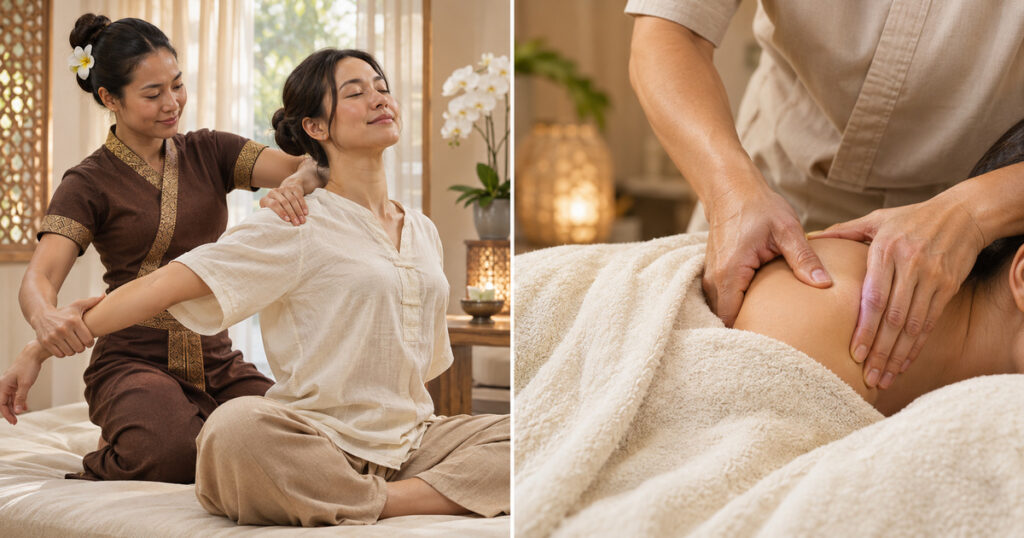
Thai massage and deep tissue massage can both help relieve muscle tension, but they use different techniques and create different experiences. Thai massage combines rhythmic pressure with assisted stretching and body movement, making it appealing if you feel stiff or want to improve your flexibility. Deep tissue massage uses slower, more focused pressure to work on specific areas of muscle tightness.
The better choice depends on your body, comfort level, and what you hope to gain from your session. Whether you spend long hours at a desk, exercise regularly, or simply want to unwind, understanding the differences can help you choose a massage that suits your needs.
Thai Massage vs Deep Tissue: Key Differences at a Glance
Although both massage styles involve pressure applied to muscles and soft tissues, their approaches are noticeably different. Traditional Thai massage incorporates assisted stretching and guided movements, while deep tissue massage concentrates on specific layers of muscle and areas of persistent tightness.
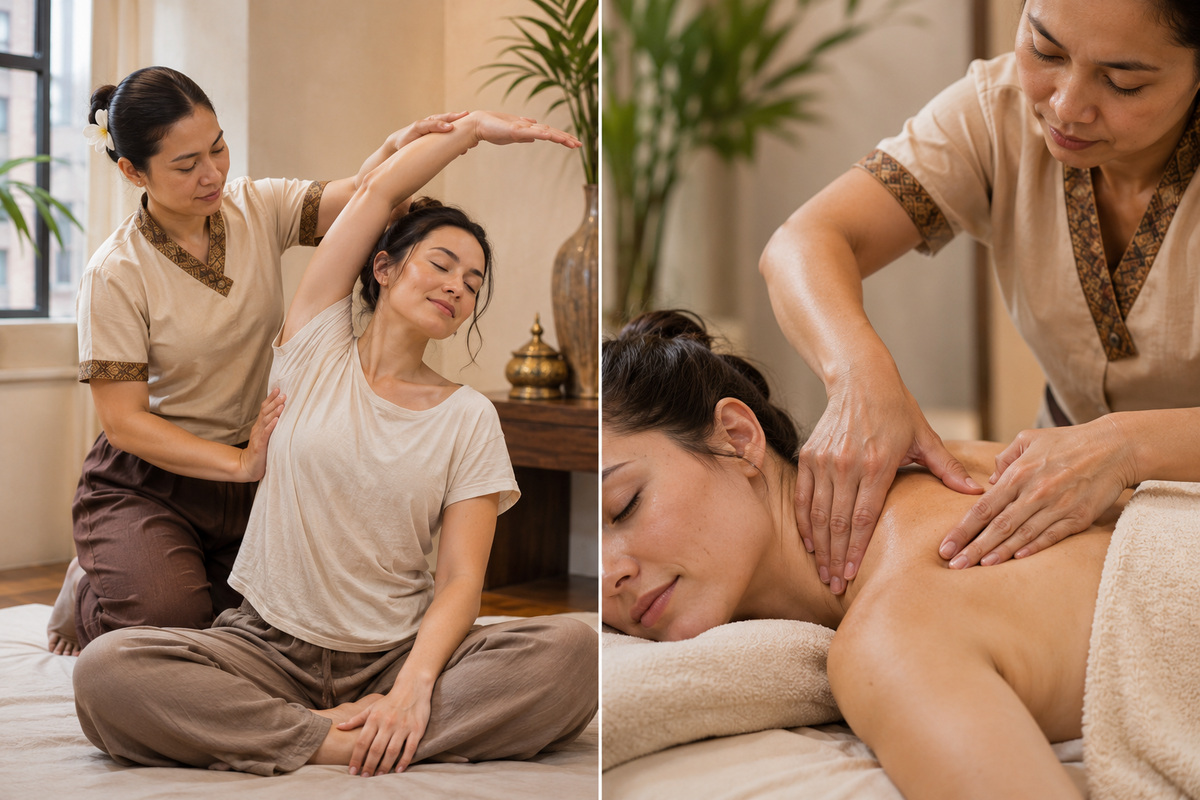
The following comparison highlights what you can generally expect from each technique.
| Primary Technique | |
|---|---|
| THAI MASSAGE | Rhythmic pressure and assisted stretching |
| DEEP TISSUE MASSAGE | Slow strokes and sustained pressure |
| Main Focus | |
|---|---|
| THAI MASSAGE | Whole-body movement and flexibility |
| DEEP TISSUE MASSAGE | Targeted muscle tension |
| Stretching | |
|---|---|
| THAI MASSAGE | A central part of the treatment |
| DEEP TISSUE MASSAGE | Usually limited or optional |
| Pressure | |
|---|---|
| THAI MASSAGE | Varies with technique and positioning |
| DEEP TISSUE MASSAGE | Often firm and concentrated |
| Oil | |
|---|---|
| THAI MASSAGE | Traditionally performed without oil |
| DEEP TISSUE MASSAGE | Commonly uses massage oil |
| Clothing | |
|---|---|
| THAI MASSAGE | Usually comfortable, loose clothing |
| DEEP TISSUE MASSAGE | Typically involves professional draping |
| Typical Experience | |
|---|---|
| THAI MASSAGE | Interactive and movement-focused |
| DEEP TISSUE MASSAGE | Slower and more localized |
These are general characteristics rather than strict rules. Modern massage practices may combine techniques, and individual therapists can adapt their approach to suit your preferences.
Neither style is automatically better or more effective for everyone. The important distinction is whether you prefer a session centered on stretching and movement or one that concentrates more directly on particular muscles.
What Happens During a Traditional Thai Massage?
Traditional Thai massage is a form of bodywork that uses controlled pressure, assisted stretching, and guided movement. Sometimes described as Thai yoga massage, it allows you to experience stretching without having to perform yoga poses independently.
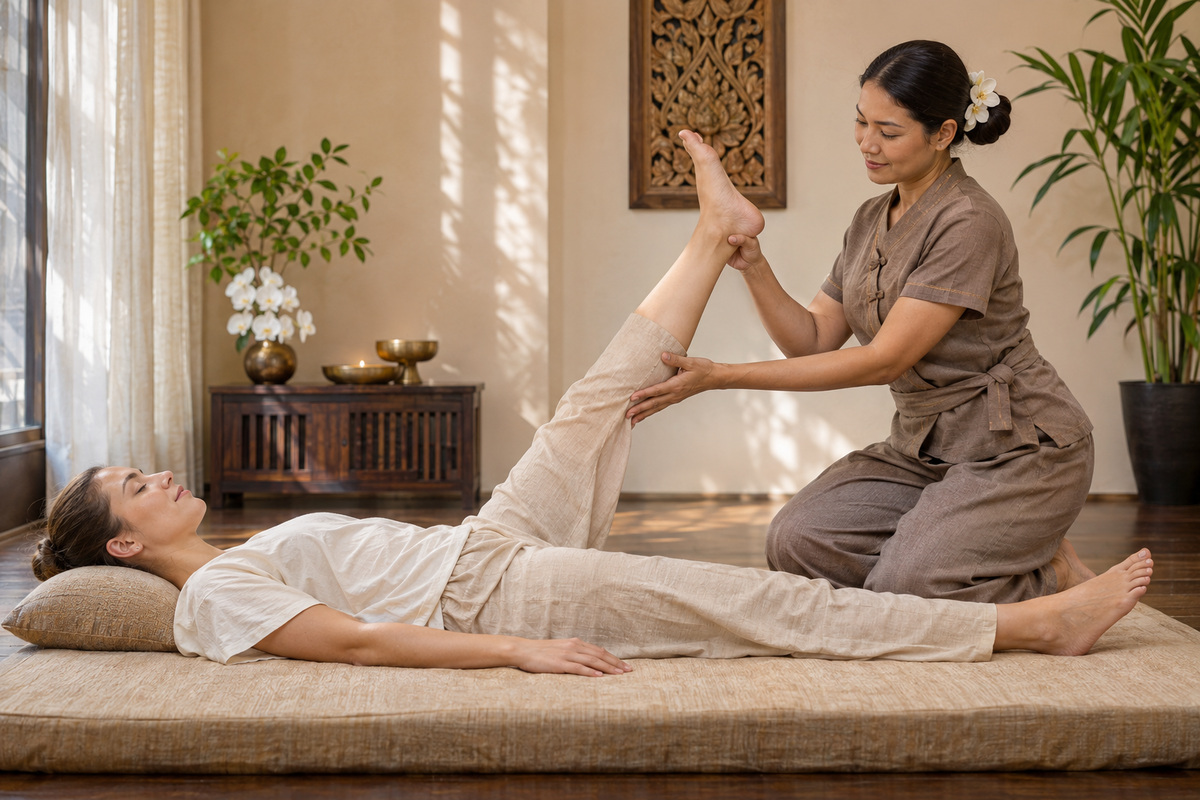
Rather than relying mainly on long, gliding strokes, the therapist uses their hands, palms, thumbs, forearms, and sometimes body weight to apply pressure and guide your body through different positions.
A traditional session is commonly performed on a padded floor mat while you wear comfortable clothing. However, some spas adapt Thai massage techniques for a massage table.
During a session, you may experience several types of movement and pressure:
- Rhythmic compression applied to muscles along the legs, back, shoulders, and other areas.
- Assisted stretches that gently move your arms, legs, hips, or upper body through comfortable positions.
- Controlled joint movements intended to encourage greater ease of movement.
- Periods of steady pressure followed by stretching or repositioning.
The experience can feel more active than a conventional oil massage because the therapist may reposition your body throughout the session. However, you do not need to be especially flexible, athletic, or familiar with yoga to participate.
One reason people choose Thai massage is the combination of muscle pressure and movement. If your hips feel restricted after sitting all day or your shoulders feel stiff from working at a computer, assisted stretching may provide a different experience from pressure-based massage alone.
Some people notice temporary improvements in comfort and flexibility after a session, although results vary. Lasting improvements in mobility generally require regular movement and physical activity beyond massage.
For a closer look at this traditional approach, explore the benefits of Thai yoga massage and how assisted stretching may support everyday physical comfort.
How Does Deep Tissue Massage Work?
Deep tissue massage focuses on working through areas of muscular tightness using slow, deliberate movements and sustained pressure. Rather than emphasizing full-body stretching, the therapist generally spends more time addressing specific muscles or regions that feel tense.
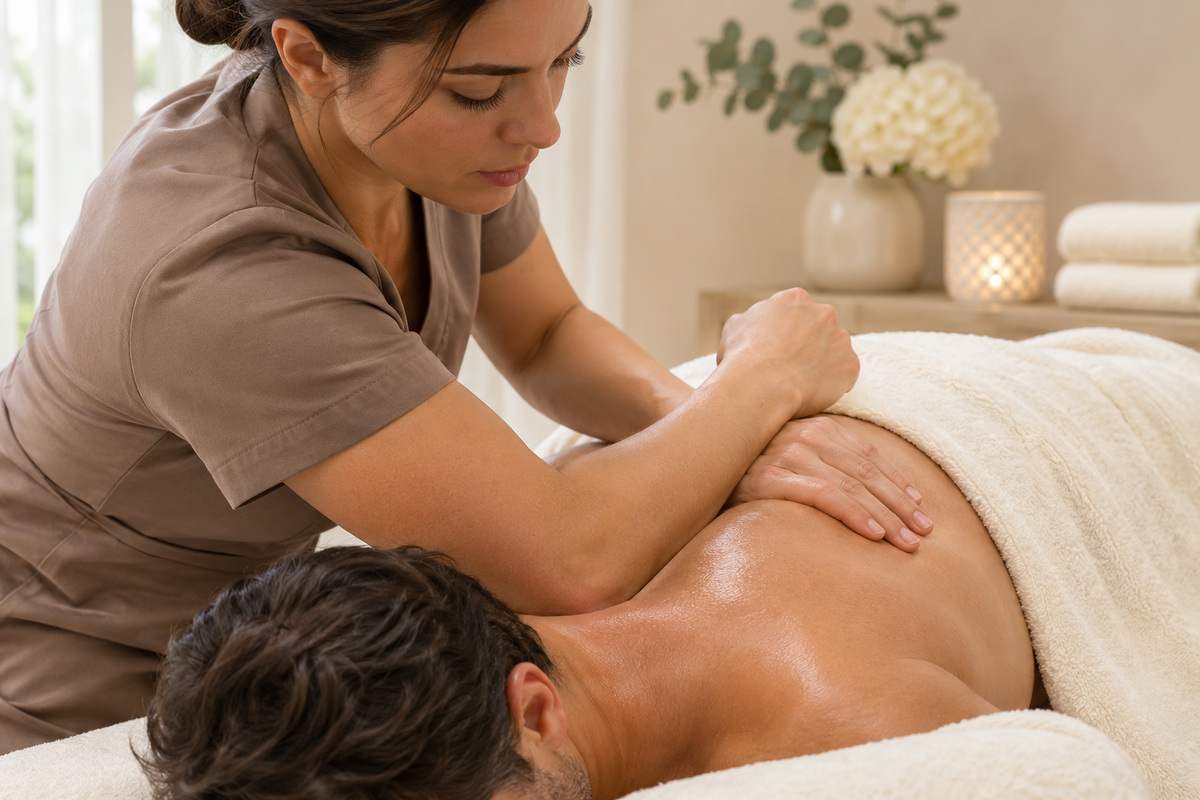
The technique may involve the fingers, thumbs, knuckles, forearms, or elbows. Pressure is applied gradually, allowing the therapist to work with the soft tissues while monitoring your comfort.
For example, someone who spends hours leaning toward a computer screen might notice persistent tension around the upper back and shoulders. A deep tissue session may devote additional attention to these areas instead of distributing the same amount of time across the entire body.
Several features distinguish deep tissue massage from a traditional Thai session:
- Slower strokes that allow pressure to be applied more deliberately.
- Focused attention on particular muscle groups rather than extensive assisted stretching.
- Pressure adjusted according to muscle sensitivity and your personal comfort.
- Massage oil or lotion commonly used to support controlled movement across the skin.
Despite its name, deep tissue massage does not mean applying the strongest possible pressure. More force does not necessarily produce better results, and excessive pressure can cause unnecessary discomfort or injury.
You should be able to communicate with your therapist throughout the session and request adjustments whenever the pressure becomes uncomfortable.
Deep tissue massage may offer temporary relief from everyday muscular discomfort, but it cannot guarantee the removal of long-standing muscle tension or correct its underlying causes.
If your discomfort is associated with repetitive movements, prolonged sitting, or physical activity, improvements may also depend on changes to your daily habits, exercise routine, and recovery practices.
Which Massage Is Better for Your Body’s Needs?
The choice between Thai massage and deep tissue massage becomes easier when you consider where you feel tension, how you prefer to receive bodywork, and whether stretching or focused pressure feels more appealing.
There is no universal answer because two people with similar discomfort may respond differently to the same massage.
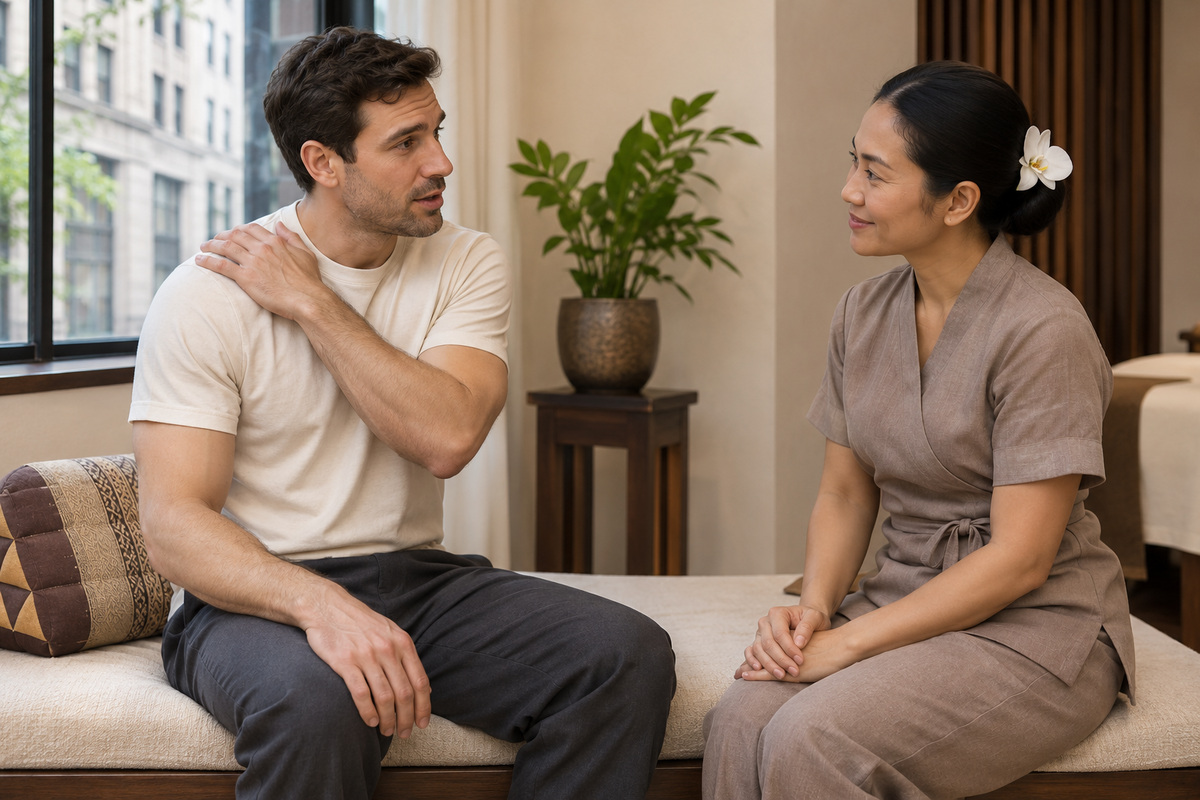
For Neck, Shoulder, and Back Tension
Neck and shoulder tightness is common among people who spend long periods sitting, using computers, or looking down at their phones. The sensation can involve one concentrated area or extend across several parts of the upper body.
Deep tissue massage may be worth considering when you want the therapist to spend more time on a specific region, such as the upper back or shoulders.
Thai massage may appeal more if you feel generally stiff and enjoy having your shoulders, back, and surrounding areas moved through comfortable stretches.
Neither technique should be expected to resolve every cause of neck or back discomfort. According to the National Center for Complementary and Integrative Health, massage may provide short-term relief for some types of neck and shoulder pain, but evidence of lasting benefits is limited.
Persistent, worsening, or unexplained pain deserves professional medical assessment rather than repeated massage alone.
For Flexibility and Full-Body Stiffness
If your main concern is feeling stiff when bending, reaching, or moving your hips and shoulders, traditional Thai massage may be particularly appealing.
Its combination of assisted stretching and rhythmic pressure creates opportunities for movement that are less central to a typical deep tissue session.
For example, you might prefer Thai massage if:
- Your hips and legs feel tight after sitting for extended periods.
- You enjoy stretching but prefer someone to guide the movements.
- You feel stiffness across several areas rather than one particular muscle.
- You want a massage experience that incorporates movement as well as relaxation.
However, assisted stretching should remain within a comfortable range. Stronger or more extreme stretches are not automatically more beneficial.
For Post-Workout Tension and Relaxation
Exercise can leave muscles feeling tired, tight, or sensitive, especially after unfamiliar activities or an increase in training intensity.
If you enjoy guided stretching and gentle movement, a modified Thai massage may feel comfortable when your body is recovering from ordinary activity.
If your primary concern involves a particular area of muscular tightness, you might prefer the targeted attention offered by deep tissue massage.
However, sore muscles do not necessarily need strong pressure. Immediately after demanding exercise, aggressive bodywork may feel uncomfortable, particularly when muscles are already sensitive.
The best approach depends on how your body feels rather than the intensity of your workout.
For general relaxation, personal preference matters just as much. Some people find the movement and stretching of Thai massage calming, while others prefer remaining relatively still during a slower, oil-based session.
Is Thai Massage or Deep Tissue More Painful?
Deep tissue massage is often associated with stronger pressure, leading some people to assume it must be more painful than Thai massage. In reality, either style can feel intense depending on the techniques used, your sensitivity, and how the therapist adjusts the session.
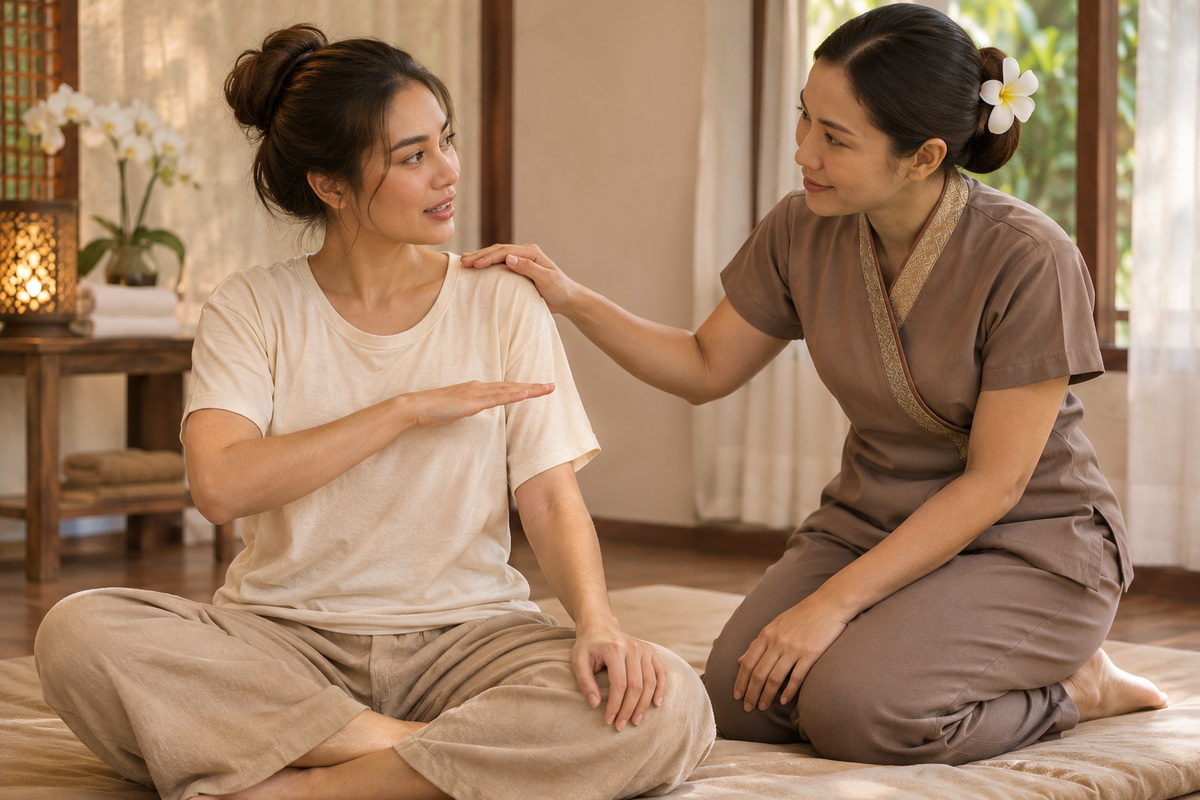
Deep tissue massage may create concentrated pressure around tight muscles. Thai massage can also feel demanding when firm compression or assisted stretches are applied to particularly stiff areas.
The important distinction is between manageable pressure and pain that signals something is wrong.
You may notice a feeling of pressure or mild tenderness during certain techniques, but sharp, burning, radiating, or increasingly uncomfortable sensations should never be ignored.
A comfortable session depends on communication. Tell your therapist if:
- The pressure feels stronger than you want.
- A particular stretch causes pain or feels too intense.
- You experience tingling, numbness, dizziness, or unusual discomfort.
- You would prefer gentler pressure or less movement.
A skilled therapist should be willing to adjust the technique, reduce the pressure, or avoid an uncomfortable movement.
Massage should not become an endurance test. You do not need to tolerate pain to receive a worthwhile treatment, and a more intense session is not necessarily a more effective one.
What Should You Know Before Your First Session?
Knowing what to expect before your appointment can make choosing between Thai massage and deep tissue massage less intimidating, especially if you have never experienced either style.
A few practical details can influence how comfortable you feel during your visit.
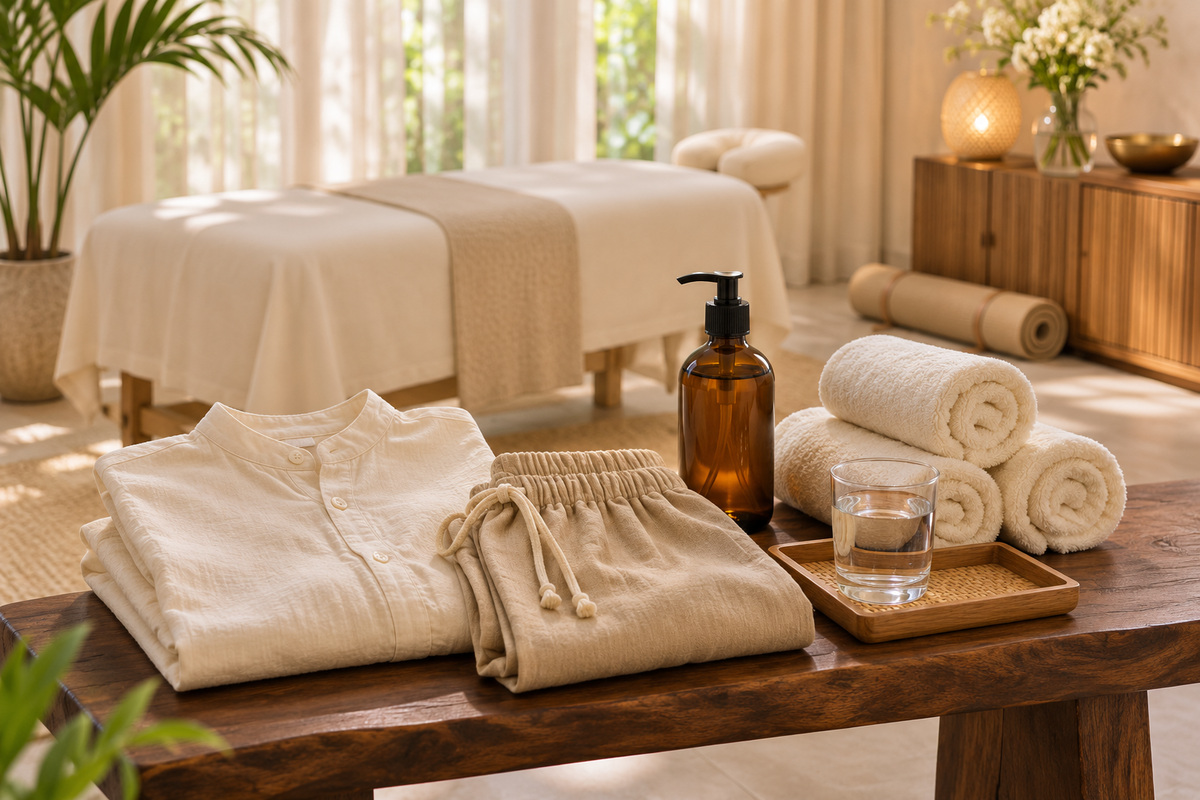
Clothing, Oil, and Session Length
Traditional Thai massage is generally performed while you remain dressed in loose, comfortable clothing that allows your arms and legs to move freely. Oil is not normally required because the treatment relies primarily on pressure and assisted movement.
Deep tissue massage commonly involves oil or lotion and professional draping. Your therapist should explain the process and respect your privacy and comfort.
Session length is another consideration. When choosing between a 60-minute and a 90-minute appointment, think about the experience you want rather than assuming a longer session is always better.
A shorter appointment may suit someone who wants a focused session or is trying a technique for the first time. A longer session may allow more time to address several areas or incorporate a slower approach.
Before your appointment, consider these simple preparations:
- Identify the areas where you feel the most tension or stiffness.
- Think about whether you prefer stretching, focused pressure, or a gentler experience.
- Tell your therapist about any injuries, medical conditions, or movements that cause discomfort.
- Ask questions about the technique, clothing, or pressure before the session begins.
You do not need to understand massage terminology perfectly. Explaining how your body feels and what you hope to experience is usually a helpful starting point.
When Should You Avoid or Modify a Massage?
Although massage is generally considered low risk for many healthy adults, some medical conditions require additional caution.
Before booking, seek advice from a qualified healthcare professional if you have concerns involving:
- Recent surgery, fractures, sprains, or injuries that have not healed.
- Osteoporosis or other conditions associated with fragile bones.
- Blood clots, blood-clotting disorders, or medications that increase bleeding or bruising risk.
- Pregnancy, especially when certain positions, pressure techniques, or assisted stretches may need modification.
- Significant cardiovascular conditions or other health problems that may affect massage safety.
These situations do not necessarily mean every type of massage is prohibited. Appropriate precautions depend on the condition, its severity, and the techniques being considered.
The National Center for Complementary and Integrative Health notes that serious complications are uncommon, but injuries have been reported, particularly with vigorous massage techniques or in people at increased risk.
If you have unexplained pain, numbness, weakness, significant swelling, or symptoms following an injury, seek medical evaluation rather than relying on massage to identify or treat the cause.
Your safety and comfort should always take priority over completing a particular technique.
Thai Massage or Deep Tissue: How to Make Your Choice
Choosing the right massage is ultimately about understanding what your body needs and selecting an experience that feels appropriate for you.
If you enjoy guided movement, assisted stretching, and attention to general stiffness, Thai massage may be a good place to start. If you prefer slower techniques focused on particular areas of muscle tension, deep tissue massage may be more appealing.
Neither approach is universally better. The most useful choice is one that matches your preferences, physical comfort, and any health considerations.
At Shevaness Thai Spa in Midtown Manhattan, you can explore both experiences through treatments designed around different massage preferences.
Our Royal Thai Massage brings together traditional Thai pressure techniques and assisted stretching for those who enjoy a more movement-oriented experience.
For those seeking slower, more concentrated bodywork, our De-Stress Deep Tissue Massage offers a different approach to addressing everyday muscle tension.
Whether you are taking a break from a busy workweek or making time for yourself, the right session should leave you feeling cared for, comfortable, and more connected with your body.