Uncategorized
Benefits of Thai Yoga Massage: 5 Ways Your Body May Feel Better
Nov
The benefits of Thai yoga massage include improved flexibility, reduced muscle tension, easier movement, stress relief, and greater body awareness. By combining assisted stretching with rhythmic pressure, this traditional Thai practice offers a different approach to relaxation and physical comfort. You do not need to practice yoga or be naturally flexible to enjoy the experience.
Whether you spend long hours at a desk, stay active throughout the week, or simply want to feel less stiff, Thai yoga massage may be worth exploring. Understanding how it works, what the research suggests, and what to expect during a session can help you decide whether it is right for your body.
What Is Thai Yoga Massage?
Thai yoga massage is a traditional form of Thai bodywork that combines assisted stretching, gentle joint movements, and pressure applied to different areas of the body. It is sometimes called assisted yoga because the therapist guides you through movements that resemble yoga poses while you remain relaxed.
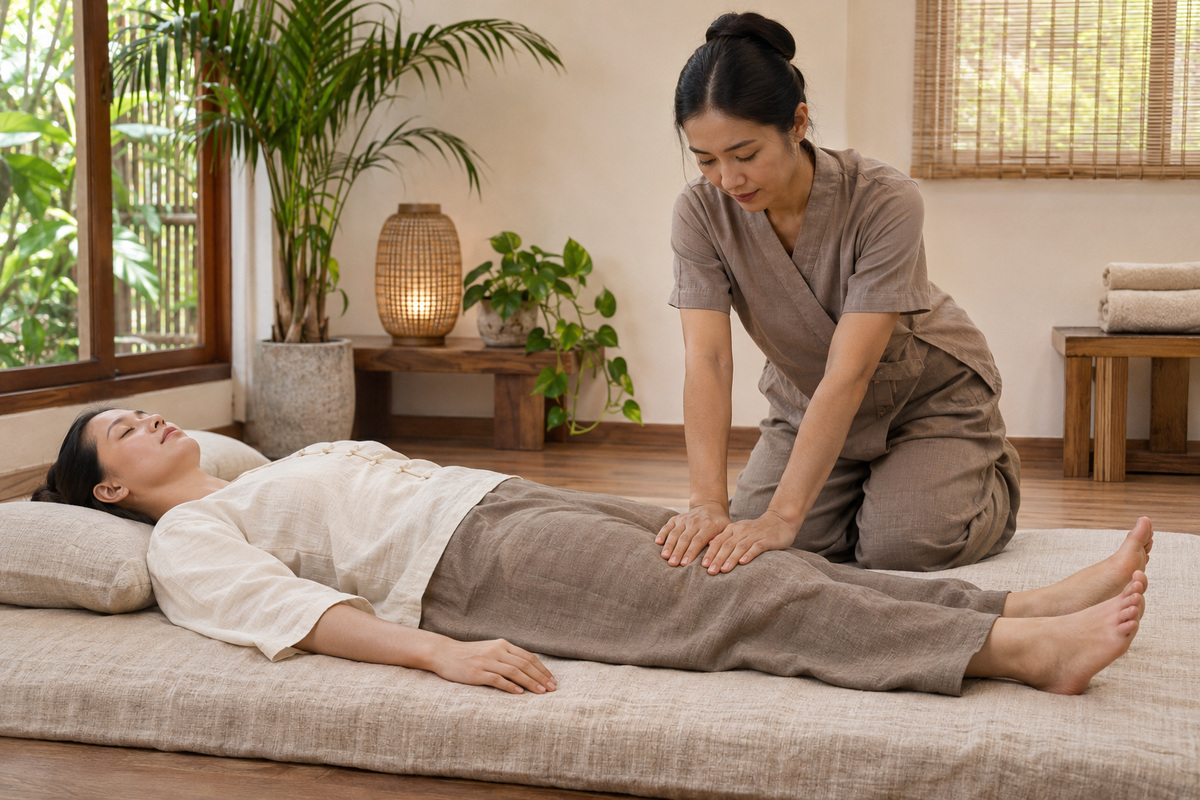
Unlike a typical Western-style massage, which often focuses on rubbing or kneading muscles with oil, traditional Thai yoga massage places greater emphasis on stretching and movement. A therapist may use their hands, thumbs, forearms, or body weight to apply controlled pressure while helping you move into comfortable positions.
The practice has roots in traditional Thai healing and incorporates the concept of Sen, or energy pathways. These pathways are part of the traditional explanation of Thai massage rather than structures established by modern anatomy. From a physical perspective, the treatment involves a combination of soft-tissue pressure and passive stretching.
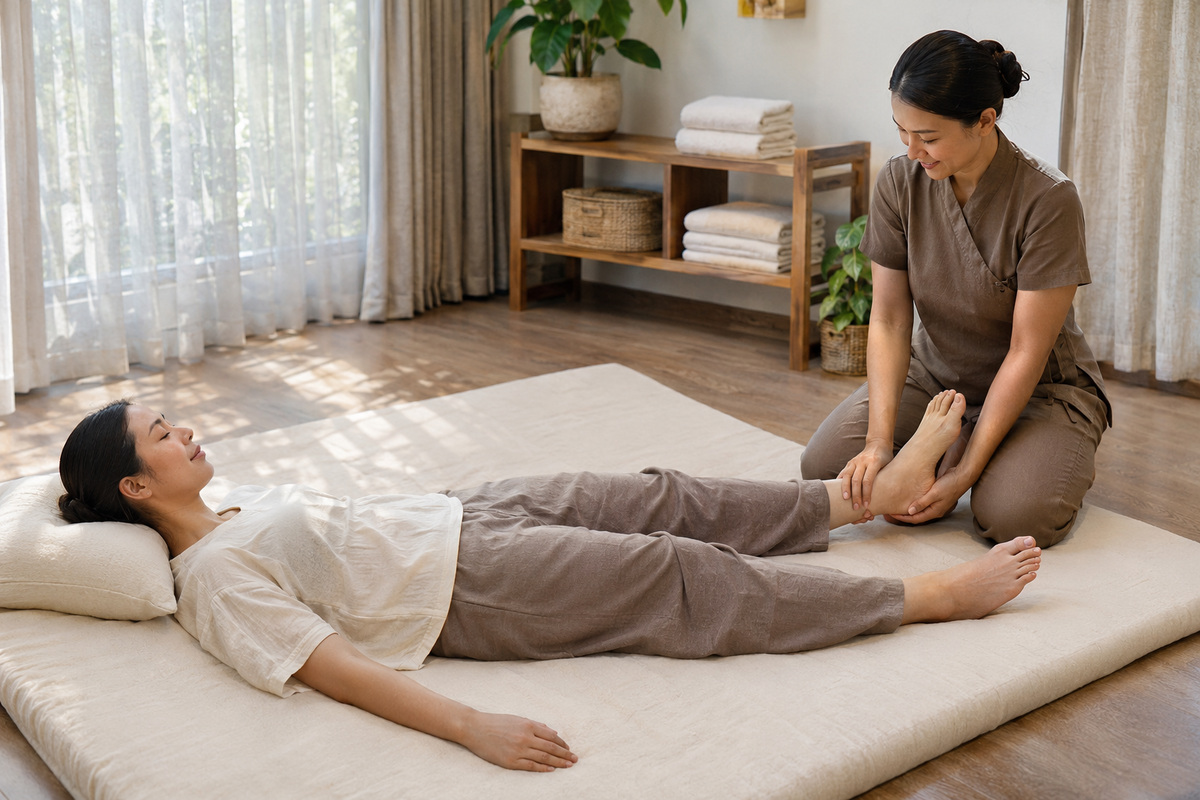
A traditional session is commonly performed on a padded floor mat with the recipient wearing comfortable clothing. However, the setting and techniques may vary between spas.
One of the most appealing aspects of Thai yoga massage is that you do not have to perform the stretches yourself. The therapist guides the movements and adjusts their intensity according to your comfort and physical limitations.
5 Benefits of Thai Yoga Massage for Your Body and Mind
The benefits of Thai yoga massage come from the combination of assisted stretching, focused pressure, and deliberate movement. Rather than concentrating on one muscle group, a session often involves several areas of the body, creating an experience that addresses both physical tension and relaxation.
Some benefits, particularly short-term improvements in flexibility, discomfort, and relaxation, are supported by clinical research on traditional Thai massage. However, results vary between individuals, and the evidence for long-term effects remains limited.
1. Improves Flexibility and Range of Motion
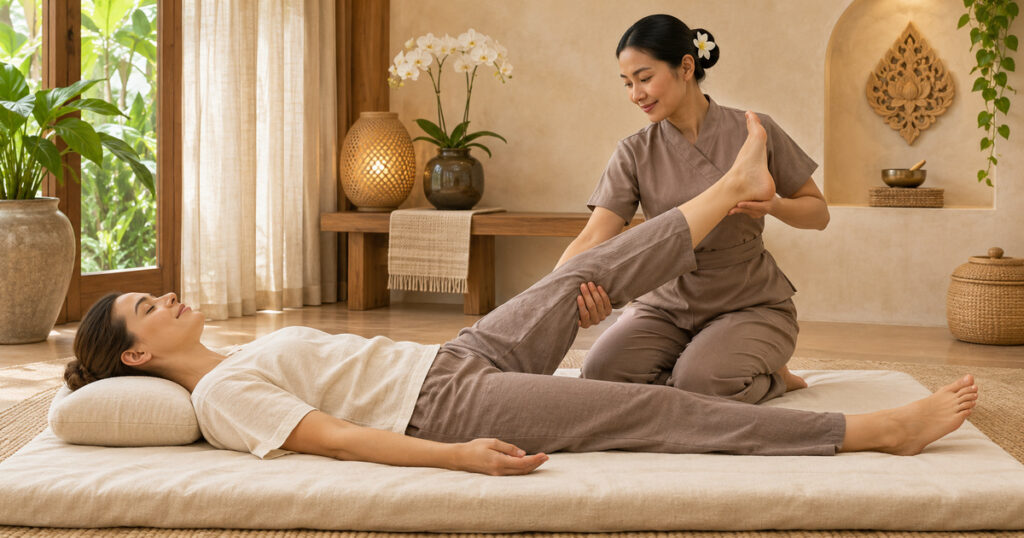
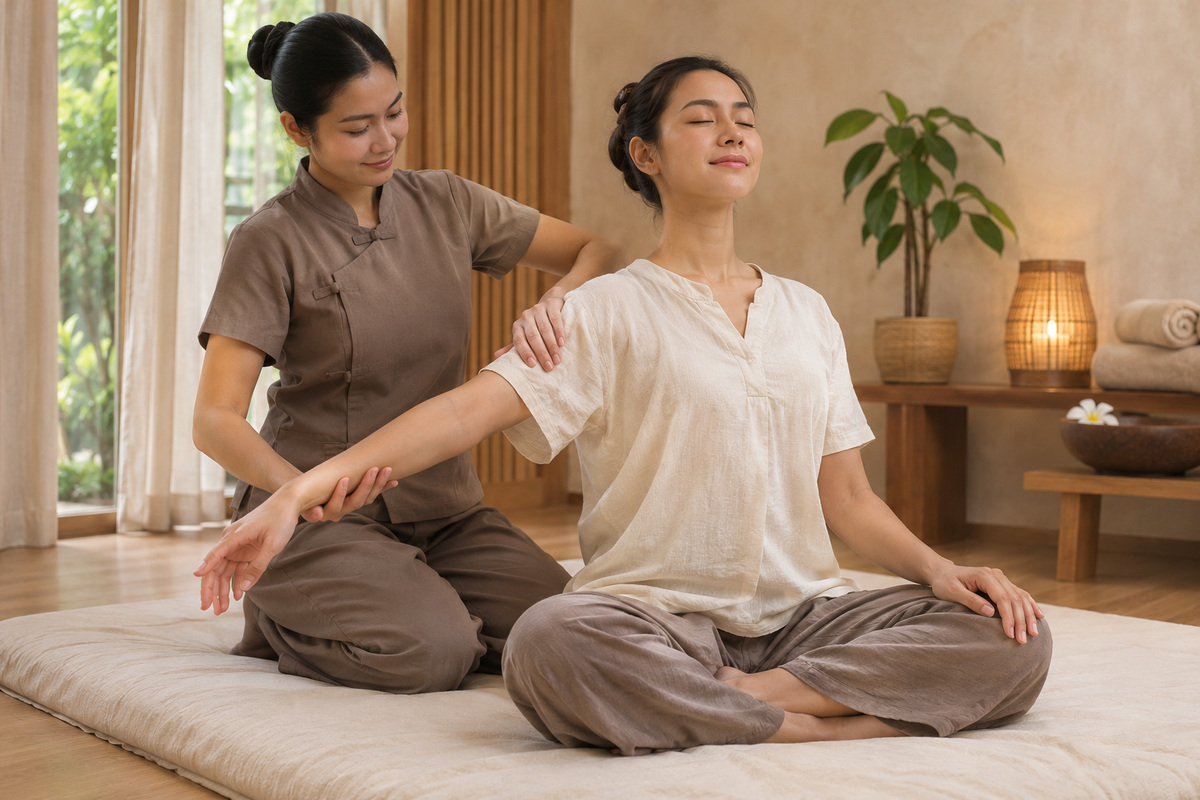
Feeling stiff when bending forward, turning your shoulders, or moving your hips can make everyday activities less comfortable. Thai yoga massage incorporates assisted stretches that gently move muscles and joints through a comfortable range of motion.
During these movements, the therapist supports your body and gradually guides it into different positions. This can help you explore movements that might otherwise feel difficult to perform on your own.
Some studies of traditional Thai massage have reported short-term improvements in flexibility and joint movement. The results are encouraging, although more research is needed to determine how long those changes last and whether they apply equally to everyone.
For people who feel restricted after long periods of sitting or limited activity, these guided movements may provide a welcome sense of ease. Lasting flexibility, however, generally requires regular physical activity and stretching beyond an occasional massage session.
2. Eases Muscle Tension and Stiffness
Muscle tension can build gradually throughout the day. Hours of computer work, repeated movements, physical activity, and even stressful situations may leave certain areas feeling tight or uncomfortable.
Thai yoga massage combines pressure with stretching to address this sensation of tightness. Instead of focusing exclusively on one spot, the therapist can work across connected areas of the body while adjusting the pressure to your preferences.
Common areas that may receive attention include:
- Neck and shoulders, which often feel tense after extended desk work.
- Upper and lower back, where prolonged sitting may contribute to stiffness.
- Hips and thighs, especially when movement has been limited during the day.
- Calves and legs, which may feel tired after standing or walking for long periods.
The combination of pressure and movement may help reduce the sensation of muscle tightness temporarily. However, massage does not permanently correct the underlying causes of tension, such as repetitive strain, prolonged inactivity, or an unsuitable workstation.
3. May Relieve Everyday Back and Neck Discomfort
Back and neck discomfort are familiar problems for people who spend much of their day sitting, commuting, or looking down at electronic devices. When muscles feel tense, even ordinary movements can become uncomfortable.
Thai yoga massage may offer temporary relief through controlled pressure and assisted stretching. A therapist can focus on surrounding muscle groups and use movements that feel appropriate for your comfort level.
Research on traditional Thai massage has reported improvements in pain and perceived muscle tension among some participants. A systematic review of studies on traditional Thai massage found promising results for chronic pain, while also emphasizing the need for further research.
These findings do not mean Thai yoga massage can cure chronic back pain or resolve every type of neck problem. Its effects may be temporary, and persistent discomfort can have causes that require professional medical assessment.
If your discomfort is related to ordinary muscular tightness, a carefully adapted session may help you feel more comfortable. Sharp pain, numbness, weakness, or pain following an injury should be assessed by a healthcare professional rather than treated with massage alone.
4. Encourages Relaxation and Stress Relief
The physical benefits of Thai yoga massage often receive the most attention, but relaxation is another important reason people choose this treatment.
Daily responsibilities can leave you feeling mentally exhausted even when you have not been particularly active. A massage session provides an opportunity to step away from distractions and focus on the present moment.
Thai yoga massage uses a combination of steady pressure, controlled movement, and periods of stillness. These elements can create a calming experience, even though some stretches feel more active than those used in a conventional relaxation massage.
Research suggests that massage therapy may help reduce feelings of stress or anxiety in certain settings, although the strength of the evidence varies. Individual experiences also differ. Some people find the stretches deeply relaxing, while others prefer the gentler touch of an oil massage.
For someone navigating a demanding schedule in New York City, taking time for a massage can also create a meaningful break from constant activity. The value of that experience does not depend on dramatic physical changes. Sometimes, simply feeling more comfortable and relaxed is enough.
5. Promotes Body Awareness Through Assisted Stretching
It is easy to overlook physical tension when your attention is focused on work, appointments, or everyday responsibilities. You might not notice how restricted your shoulders feel until you try reaching overhead or turning your upper body.
Assisted stretching can make these sensations easier to recognize. As the therapist guides different movements, you have an opportunity to notice which areas feel comfortable and which require a gentler approach.
This awareness may help you identify personal movement preferences and better communicate your needs during future massage sessions.
For example, you may discover that:
- Your hips feel noticeably tighter on one side than the other.
- Your shoulders are more comfortable with smaller, slower movements.
- Gentle stretching feels better than strong pressure in certain areas.
These observations are personal experiences rather than medical diagnoses. Thai yoga massage cannot determine the cause of a movement limitation simply by identifying a tight area.
Nevertheless, paying attention to how your body responds can encourage a more thoughtful approach to movement, rest, and everyday comfort.
Who Can Benefit Most From Thai Yoga Massage?
Thai yoga massage can appeal to people with different lifestyles because the treatment combines relaxation with assisted movement. You do not need to be an athlete, practice yoga, or have exceptional flexibility to consider a session.
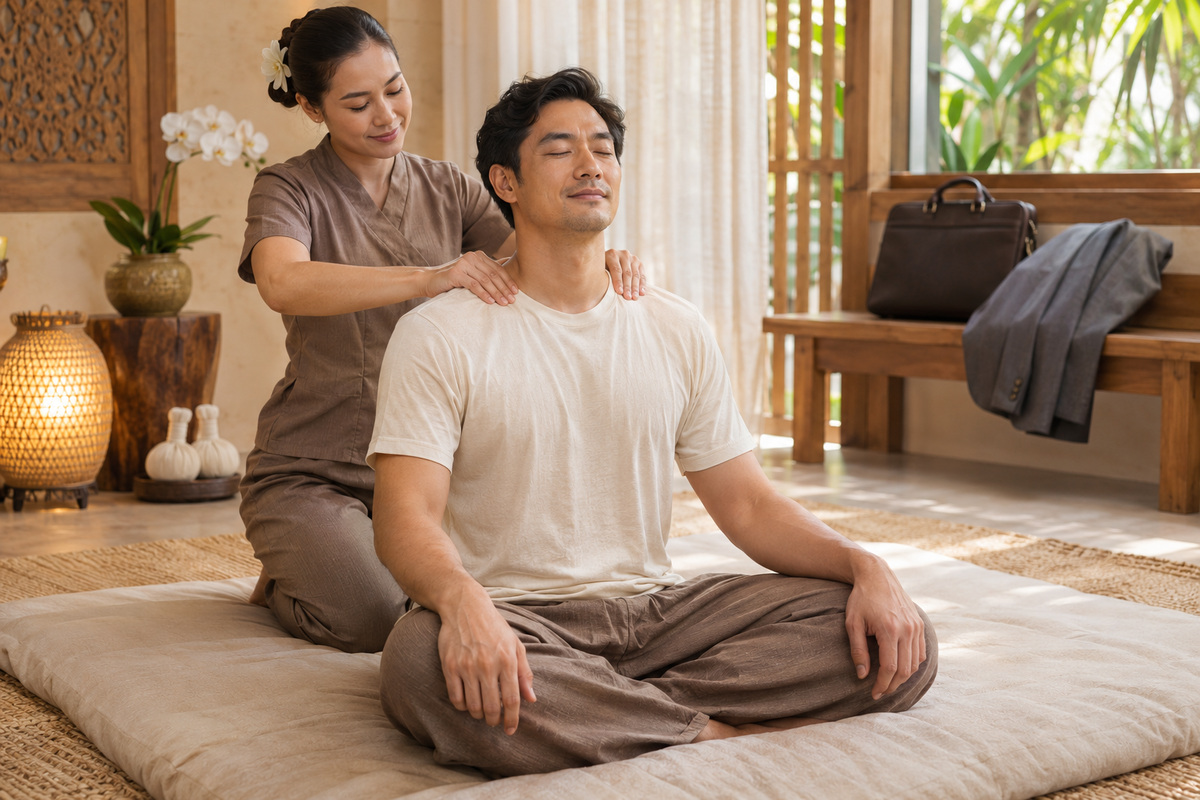
Several groups may find this style of massage particularly appealing:
- Office workers: People who spend much of their day sitting may appreciate the combination of stretching and focused attention to areas that feel stiff.
- Active individuals: People who exercise regularly may enjoy assisted stretching as part of their broader relaxation and recovery routine, although massage is not a substitute for appropriate recovery or rehabilitation.
- People with sedentary routines: Those who move relatively little throughout the day may enjoy an experience that involves gentle, guided movement.
- People seeking stress relief: Anyone looking for a break from a demanding schedule may appreciate the opportunity to relax while receiving attentive bodywork.
For example, a Midtown Manhattan office worker might arrive with tight shoulders after a long day at a computer, while someone visiting New York might feel tired after hours of walking around the city. Their needs are different, and their massage sessions should be adapted accordingly.
However, not everyone benefits from the same techniques. Some people prefer gentle pressure and smaller stretches, while others are comfortable with more extensive assisted movements. A suitable session should reflect your current physical condition, preferences, and comfort rather than follow an identical routine for everyone.
What to Expect During Your First Thai Yoga Massage
If you have never experienced Thai yoga massage, the idea of being moved through yoga-like stretches might sound unusual. In practice, the therapist performs most of the work while you remain relaxed and communicate how each movement feels.
Although every spa has its own approach, a traditional session generally follows a sequence similar to the following.
- Discuss your needs and comfort level. Before the session, tell the therapist about areas of tension, previous injuries, medical concerns, and the amount of pressure you prefer. This helps them decide which techniques may be appropriate.
- Begin with gentle pressure. The therapist may use controlled pressure on different muscle groups to help you settle into the treatment before introducing more extensive movements.
- Move into assisted stretches. Depending on the treatment, your arms, legs, hips, and upper body may be guided through different positions. You should remain comfortable and should never feel forced into a stretch.
- Finish with slower movements and relaxation. Toward the end, the therapist may reduce the intensity and allow your body to rest before the session concludes.
Traditional Thai yoga massage is often performed on a padded floor mat with the recipient fully clothed. Loose, comfortable clothing generally makes stretching easier. However, some spas adapt their Thai massage treatments for a massage table, and the exact setup should be confirmed before your appointment.
What Should Thai Yoga Massage Feel Like?
You may notice a combination of gentle pressure, pulling sensations, and mild muscular stretching. Some positions can feel unfamiliar, particularly if you do not stretch regularly.
A comfortable stretch may produce a sense of tension, but it should not cause sharp pain, tingling, numbness, or a feeling that a joint is being forced beyond its limits.
You are always allowed to request less pressure, a smaller range of movement, or a different technique. You do not need to endure discomfort to receive the potential benefits of the treatment.
Afterward, you may feel relaxed, more comfortable moving, or mildly sore in areas that received focused attention. Responses vary, and any significant or persistent pain should be evaluated rather than dismissed as a normal part of massage.
Thai Yoga Massage vs. Traditional Oil Massage: What’s Different?
Both Thai yoga massage and traditional oil massage can provide a relaxing experience, but they emphasize different techniques. Understanding these differences can help you choose a treatment that matches your preferences.
Thai Yoga Massage Focuses on Assisted Movement
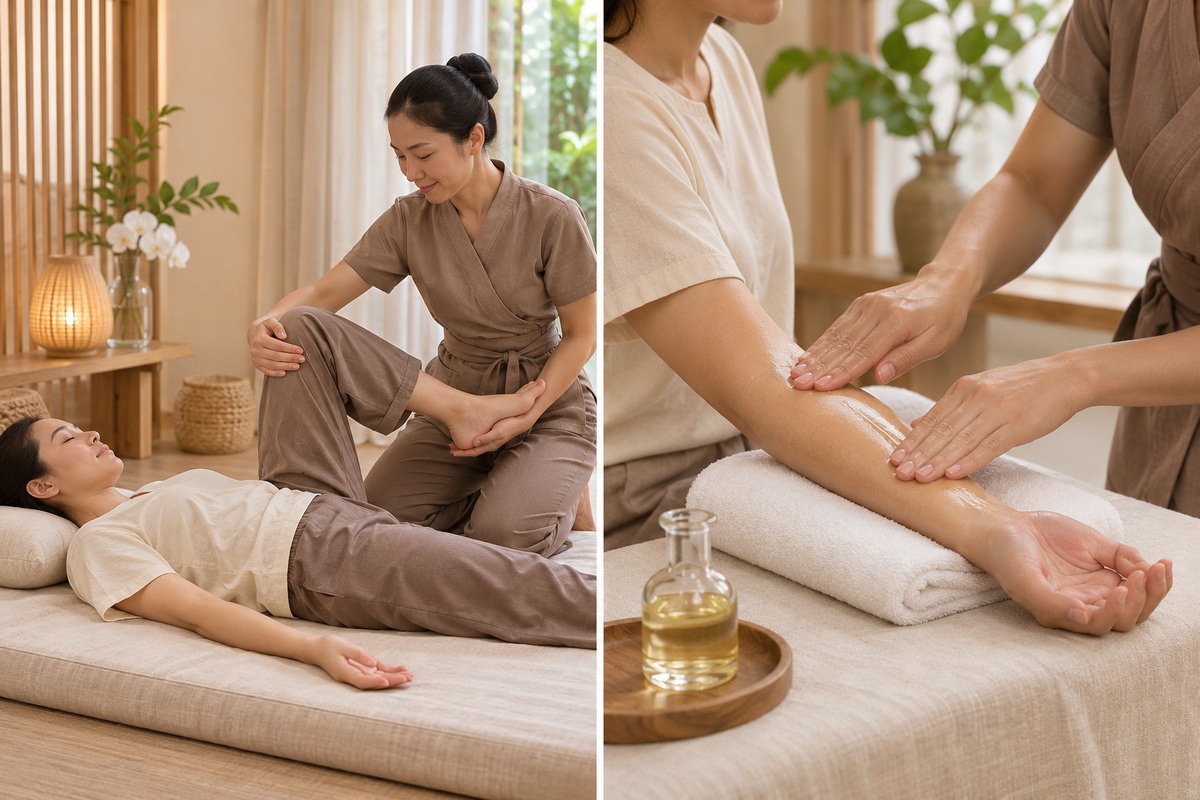
Traditional Thai yoga massage typically involves rhythmic pressure, passive stretching, and changes in body position. The therapist may gently move your arms or legs and guide you through stretches that resemble yoga poses.
It is often performed without massage oil, allowing the therapist to work through clothing while supporting different movements.
This approach may appeal to people who want their massage experience to include stretching as well as muscle relaxation.
Traditional Oil Massage Focuses on Flowing Strokes
Oil massage generally uses gliding, kneading, and other hands-on techniques across the muscles and soft tissues. Treatments such as Swedish massage commonly use oil or lotion to help the therapist perform smooth, continuous strokes.
While pressure and intensity can vary, an oil massage typically involves less assisted stretching than traditional Thai yoga massage.
If you prefer a calming treatment with minimal changes in body position, an oil-based massage may feel more familiar. If you enjoy guided stretches and movement, Thai yoga massage may be a better match.
Neither style is automatically better. The right choice depends on your goals, health considerations, and how you prefer to receive bodywork. Some spa treatments also combine elements of both approaches.
Is Thai Yoga Massage Safe for Everyone?
Thai yoga massage is generally well tolerated by many healthy adults when performed appropriately by a trained professional. However, its combination of pressure and assisted stretching means that certain medical conditions require additional care.
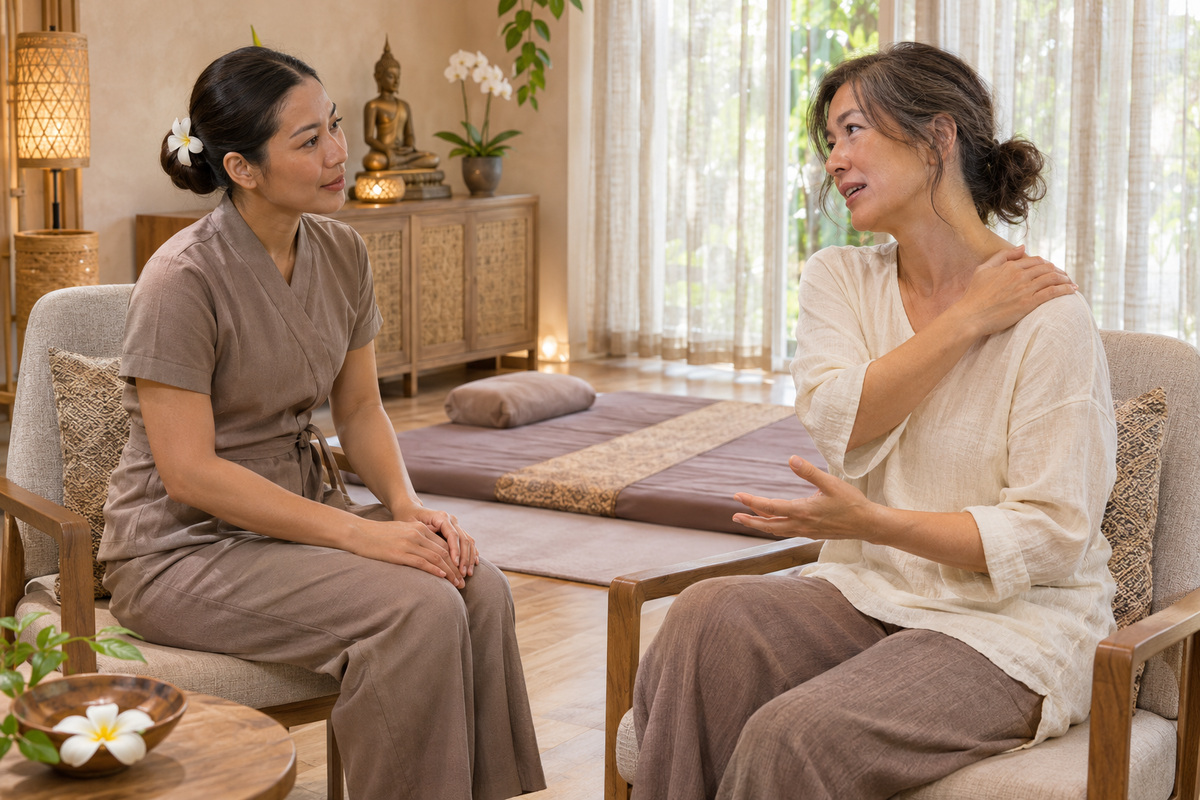
Before booking, it is important to consider whether any movements or pressure techniques could be unsuitable for your current health.
Speak with a healthcare professional before receiving Thai yoga massage if you have concerns involving:
- Pregnancy, particularly because some assisted stretches and positions may need to be avoided or modified.
- Osteoporosis or fragile bones, which can increase the risk of injury during strong pressure or stretching.
- Recent surgery, fractures, sprains, or other injuries that have not fully healed.
- Heart disease, uncontrolled high blood pressure, or other significant medical conditions that may affect treatment safety.
- Blood-clotting disorders, a history of blood clots, or medications that increase bleeding or bruising risk.
People with these conditions do not necessarily have identical restrictions. The appropriate decision depends on the condition, its severity, and the techniques being considered.
According to the National Center for Complementary and Integrative Health, serious complications from massage are uncommon, but injuries have been reported, particularly with vigorous techniques or among people at increased risk.
For this reason, effective communication matters. Tell your therapist about relevant health conditions, request adjustments when needed, and speak up immediately if a movement causes pain.
Thai yoga massage should complement appropriate healthcare rather than replace medical diagnosis or treatment. If you have persistent pain, unexplained symptoms, or a condition requiring medical care, seek professional advice before relying on massage for relief.
Experience a More Comfortable Way to Move and Relax
Thai yoga massage offers a distinctive combination of assisted stretching, rhythmic pressure, and relaxation. Its potential benefits range from improved flexibility and temporary relief from muscle tension to a greater sense of physical comfort and calm.
The experience is not about pushing your body to its limits. It is about finding a comfortable balance between movement and relaxation, with techniques adapted to your individual needs.
If you are interested in exploring traditional Thai bodywork in New York City, Shevaness Thai Spa offers a welcoming space in Midtown Manhattan. Our Royal Thai Massage incorporates traditional Thai pressure techniques and assisted stretching, with an emphasis on movement, comfort, and personalized care.
Whether you are taking a break from work or making time for yourself, a thoughtfully tailored session can be an opportunity to slow down, unwind, and reconnect with your body.