Uncategorized
Thai Massage vs Lomi Lomi: Key Differences and Which to Choose
Nov
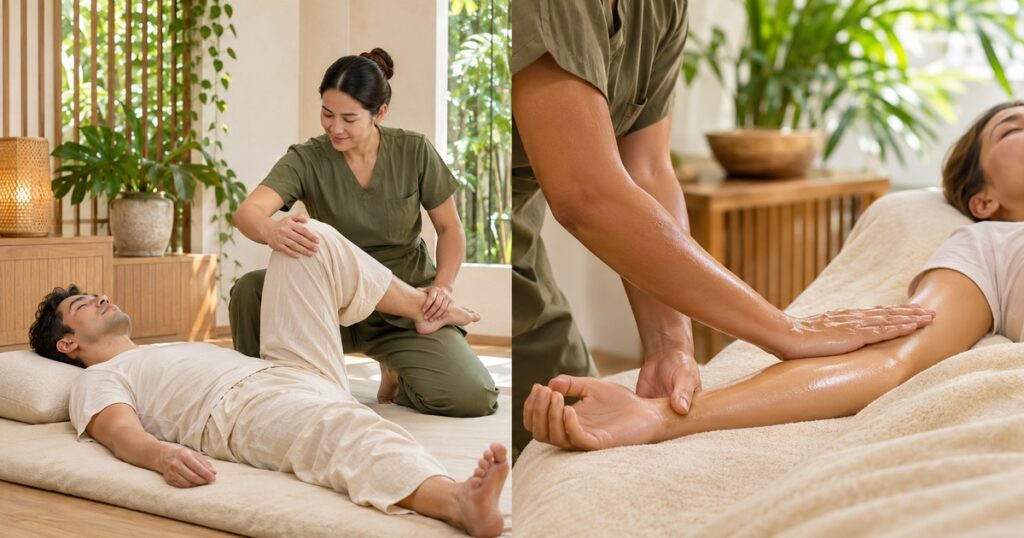
Thai massage and Lomi Lomi massage offer different ways to relax and address everyday muscle tension. Thai massage combines rhythmic pressure, assisted stretching, and guided body movements, while Lomi Lomi typically uses long, flowing strokes with massage oil. Thai massage may suit you if you enjoy stretching and movement, whereas Lomi Lomi may be more appealing if you prefer continuous, relaxing bodywork.
Neither massage is universally better. The right choice depends on your comfort level, whether you enjoy being stretched, and how you want to feel during your session. Understanding their differences can help you choose an experience that matches your needs.
Thai Massage vs Lomi Lomi: What Are the Main Differences?
Thai massage and Lomi Lomi come from different cultural traditions and use distinct approaches to bodywork. Traditional Thai massage originated in Thailand and emphasizes rhythmic compression, assisted stretching, and movement. Lomi Lomi has roots in Hawaiian healing traditions, with contemporary spa treatments often featuring broad, continuous strokes using the hands and forearms.
The main difference is how your body participates in the treatment. Thai massage may involve changing positions and having your limbs gently guided through stretches. Lomi Lomi generally allows you to remain more passive while the therapist uses flowing movements across different areas of your body.
The following comparison highlights the characteristics commonly associated with each massage style.
| Origin | |
|---|---|
| THAI MASSAGE | Thailand |
| LOMI LOMI | Hawaii |
| Main Technique | |
|---|---|
| THAI MASSAGE | Rhythmic pressure and assisted stretching |
| LOMI LOMI | Long, flowing hand and forearm strokes |
| Body Movement | |
|---|---|
| THAI MASSAGE | Frequent guided movement and repositioning |
| LOMI LOMI | Generally less repositioning |
| Stretching | |
|---|---|
| THAI MASSAGE | A central part of traditional sessions |
| LOMI LOMI | Usually less emphasized |
| Pressure | |
|---|---|
| THAI MASSAGE | Adjustable, depending on the technique |
| LOMI LOMI | Adjustable, from gentle to firm |
| Massage Oil | |
|---|---|
| THAI MASSAGE | Traditionally performed without oil |
| LOMI LOMI | Commonly used for smooth strokes |
| Typical Experience | |
|---|---|
| THAI MASSAGE | Interactive and movement-focused |
| LOMI LOMI | Continuous, flowing, and relaxing |
These are general differences rather than fixed rules. Traditional practices and modern spa adaptations can vary, and individual therapists may combine or customize techniques.
The comparison does not mean one massage is more effective than the other. Your preferred level of movement, pressure, and relaxation is often more useful in deciding which experience to book.
What Does a Traditional Thai Massage Feel Like?
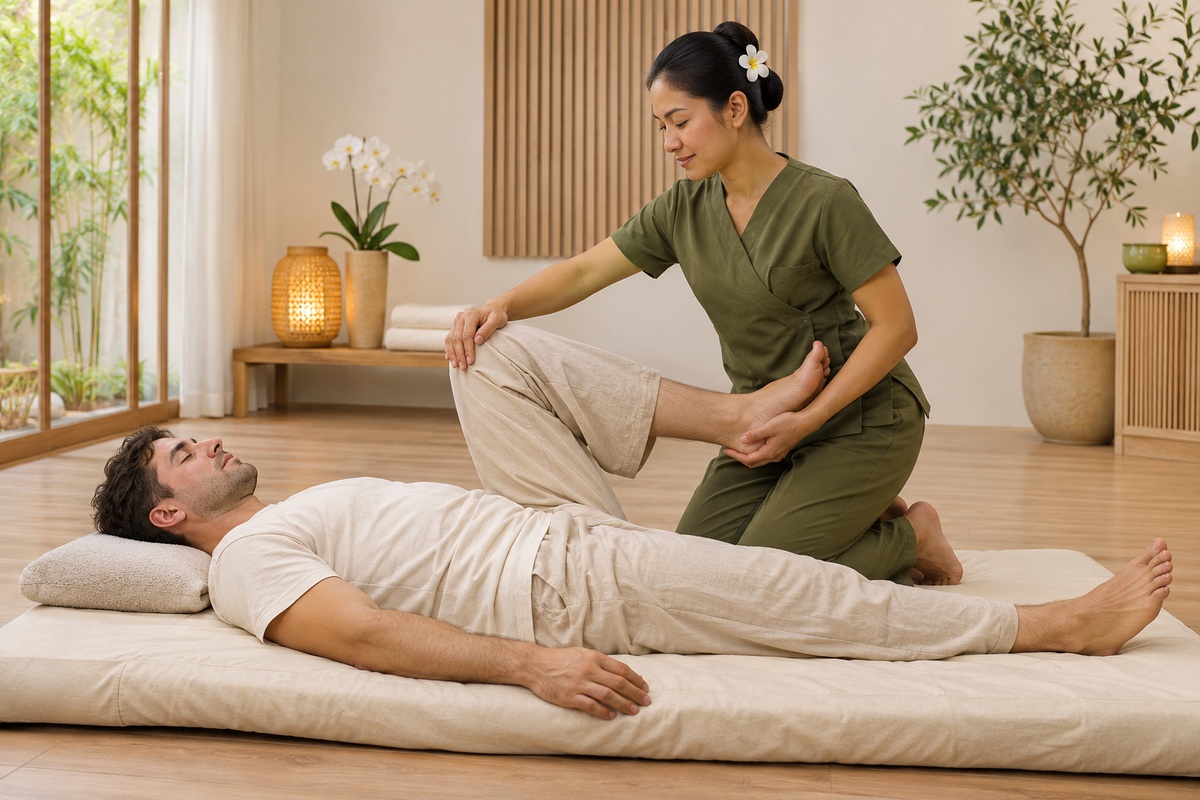
Traditional Thai massage is a movement-oriented form of bodywork that combines steady pressure with assisted stretching. Rather than simply lying still while the therapist massages your muscles, you may be guided through different positions as your body is gently stretched and compressed.
The therapist typically uses the palms, thumbs, forearms, and sometimes body weight to apply controlled pressure. Traditional sessions often take place on a padded floor mat while you wear loose, comfortable clothing, although some spas adapt the techniques for a massage table.
A session may include several distinct techniques:
- Rhythmic compression along the legs, back, shoulders, and other muscle groups.
- Assisted stretching that moves your arms, hips, or legs through a comfortable range.
- Gentle joint movements that encourage a sense of ease and mobility.
- Changes in body position that allow the therapist to work with different muscle groups.
The experience can feel more active than an oil-based relaxation massage. You might notice a stretching sensation in your hips after a day of sitting or feel your shoulders moving through positions you do not normally practice.
You do not need to be flexible or experienced in yoga to receive Thai massage. The therapist should adjust the movements to your comfort and physical abilities.
Some people experience temporary improvements in flexibility or reduced feelings of everyday stiffness afterward. However, massage cannot guarantee lasting changes in mobility, and regular physical activity remains important.
For a closer look at the stretching-focused approach, explore the benefits of Thai yoga massage.
Is Thai Massage Always Strong or Painful?
Thai massage is sometimes described as intense because it can involve firm compression and unfamiliar stretches. However, it should not automatically be painful.
Pressure and stretching can be adjusted according to your preferences. A comfortable stretch may create a feeling of tension without causing sharp pain, while pressure should remain manageable throughout the treatment.
If a stretch feels too demanding or a particular area is sensitive, tell your therapist immediately. Stronger pressure and deeper stretching do not necessarily produce better results.
The most valuable experience is one that allows you to feel comfortable while receiving the techniques appropriate for your body.
What Does a Lomi Lomi Massage Feel Like?
Lomi Lomi is a traditional Hawaiian form of bodywork with different approaches across practitioners and lineages. In contemporary spa settings, Lomi Lomi often emphasizes long, flowing strokes that move continuously across the body.
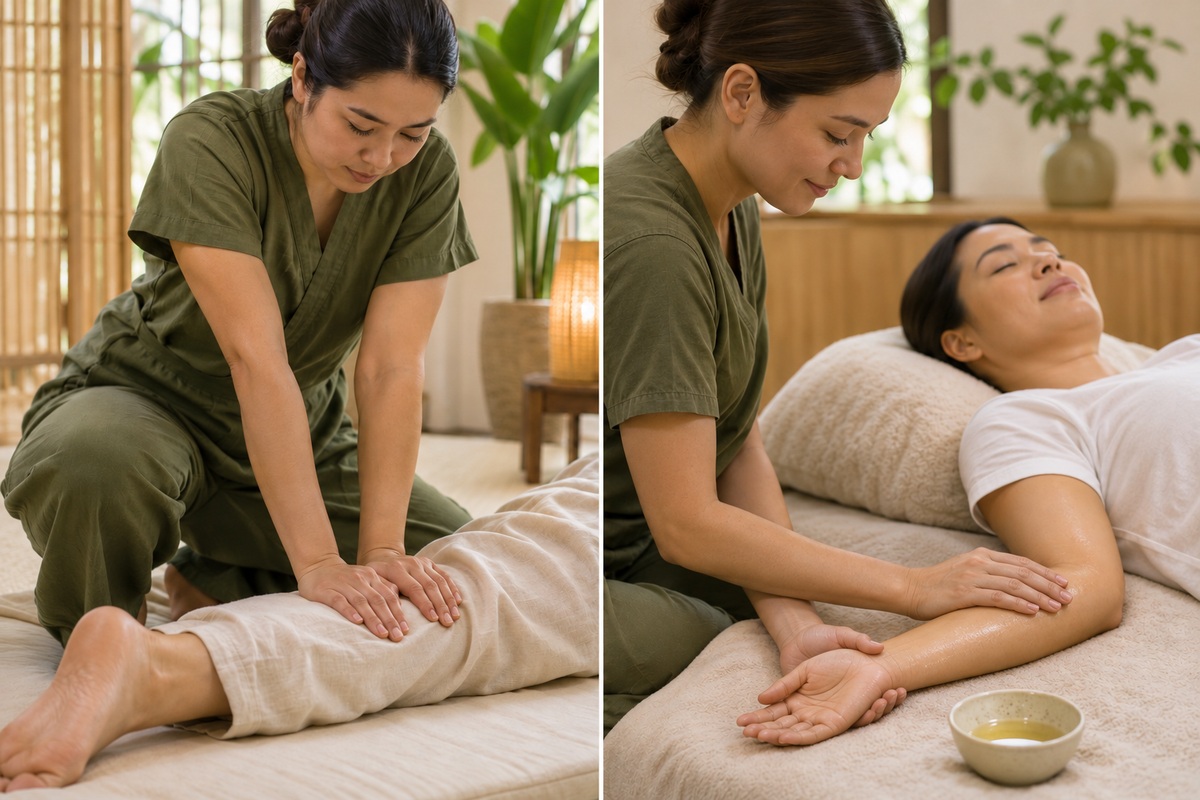
The therapist commonly uses the palms and forearms to create broad, sweeping movements. Massage oil helps the hands glide smoothly across the skin, allowing the strokes to connect different areas without frequent interruptions.
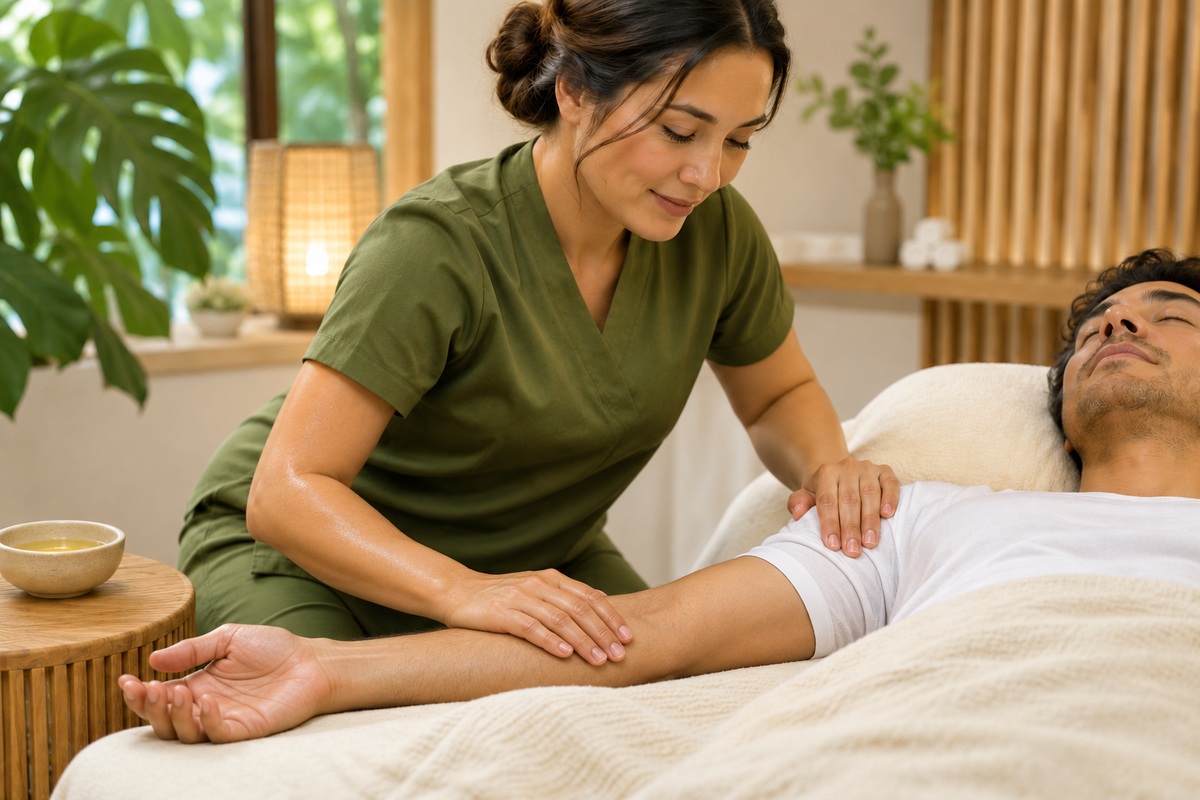
Instead of repeatedly changing positions for assisted stretching, you can generally remain more relaxed while the therapist works across your back, shoulders, arms, and legs.
For example, the therapist might move from your upper back toward your shoulders in one continuous sequence before transitioning to another area. The rhythm can feel more fluid than techniques that concentrate on individual pressure points.
This flowing approach is one reason people choose Lomi Lomi when they want to step away from daily demands and enjoy an uninterrupted period of relaxation.
However, the experience is not limited to gentle strokes. Some spa adaptations include kneading, targeted pressure, or other techniques to address areas that feel particularly tight.
The Aloha Lomi Lomi Massage offered by Shevaness Thai Spa, for instance, combines flowing forearm movements with focused bodywork and rose massage oil.
Can Lomi Lomi Massage Use Firm Pressure?
Yes. Although Lomi Lomi is often associated with relaxation, it does not have to involve only light pressure.
The intensity depends on the therapist’s approach and your comfort preferences. Some sessions emphasize gentler, continuous movements, while others incorporate firmer strokes around areas of muscular tension.
At Shevaness Thai Spa, the Aloha Lomi Lomi treatment offers a choice of medium to strong pressure. This allows guests to enjoy the flowing style without necessarily choosing the lightest available massage.
Still, more pressure is not always more relaxing. If your goal is to unwind, a moderate level may feel more comfortable than an intense session.
You should communicate your preferences before the treatment begins and request adjustments whenever necessary.
Which Massage Is Better for Your Body and Goals?
Choosing between Thai massage and Lomi Lomi becomes easier when you consider what you want from the session rather than focusing only on the names of the treatments.
Both styles may help you feel relaxed and more comfortable, but their techniques create different experiences. Your preference for stretching, pressure, or flowing movements can make one approach more appealing than the other.
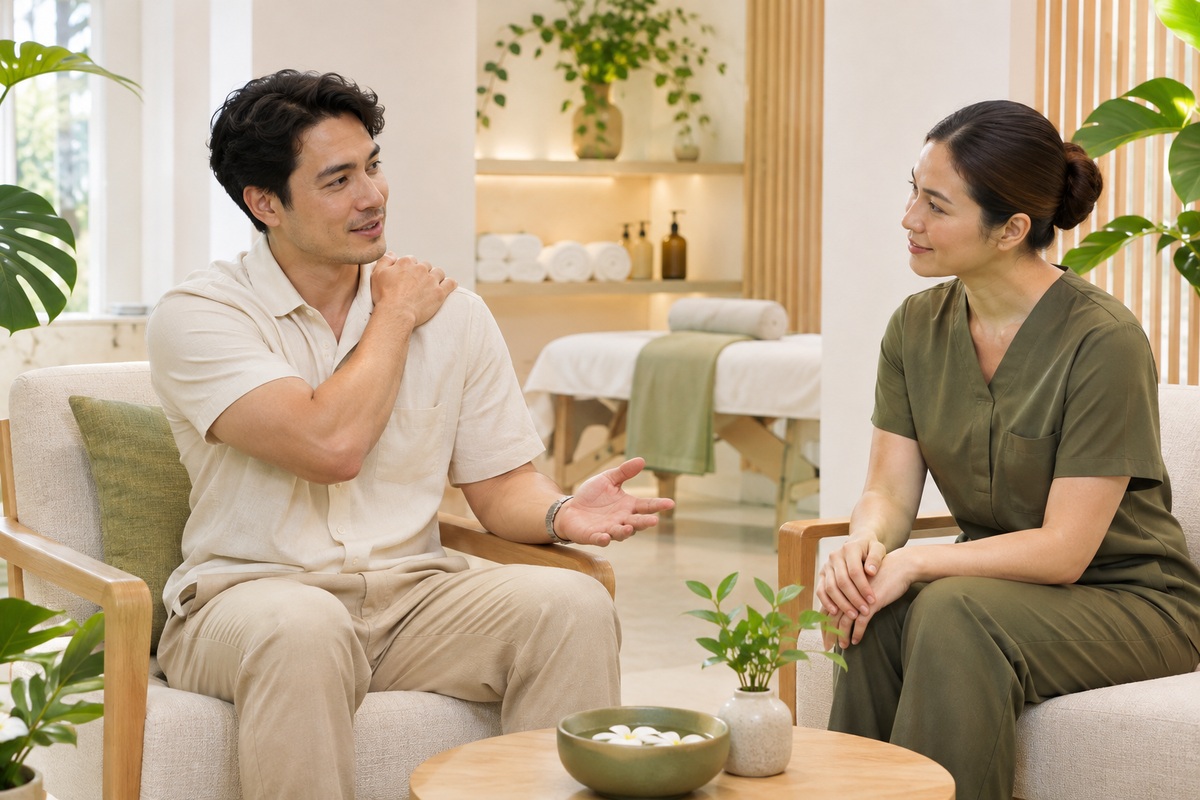
For Stiffness and Limited Flexibility
If you often feel stiff after sitting at a desk, traveling, or spending long periods in the same position, Thai massage may be worth considering.
Its assisted stretching creates opportunities for the hips, legs, shoulders, and back to move through comfortable positions.
Thai massage may particularly appeal to you if:
- You enjoy stretching but prefer someone to guide the movements.
- Your body feels generally stiff rather than tense in one isolated area.
- You want a massage that combines pressure with physical movement.
- You are comfortable changing positions during the session.
However, stiffness can have different causes. Massage may temporarily improve comfort, but it should not replace appropriate exercise, movement habits, or medical evaluation when symptoms are persistent.
For Relaxation and Everyday Stress
Lomi Lomi may be more appealing when your primary goal is to relax without frequent repositioning or assisted stretches.
Its continuous strokes can create a steady rhythm that some people find particularly calming. If your day involves constant activity, commuting, or mental demands, remaining relatively still during the treatment may be part of the attraction.
You might prefer Lomi Lomi when you want an oil-based massage that feels fluid rather than a session organized around individual stretches.
Thai massage can also be relaxing, especially for people who enjoy guided movement. The difference is less about which treatment is universally more calming and more about what helps you personally unwind.
For Muscle Tension After a Long Workday
Long periods of computer work, repetitive movements, or commuting may leave your shoulders, neck, or back feeling uncomfortable.
Both massages may appeal to someone dealing with ordinary muscle tension, but they approach the experience differently.
Thai massage combines compression and stretching, which may be preferable when you feel restricted across several parts of your body. Lomi Lomi emphasizes flowing strokes, sometimes combined with firmer work on areas that need additional attention.
If you are uncertain, ask yourself three questions:
- Do I want to be stretched and moved, or would I rather remain relatively still?
- Do I enjoy pressure without oil, or do I prefer smooth strokes with massage oil?
- Am I seeking a movement-focused experience or primarily uninterrupted relaxation?
Your answers can provide a practical starting point without assuming that one massage is superior.
If your main concern is persistent tightness in a specific muscle group, you may also find our guide to Thai massage vs deep tissue massage helpful.
Remember that significant or unexplained pain should be medically assessed rather than treated as ordinary muscle tension.
What Should You Know Before Booking Either Massage?
Understanding a few practical details can make your first Thai massage or Lomi Lomi appointment more comfortable.
The two treatments can differ in clothing, positioning, oil use, and movement, so it is worth confirming what the spa offers before your session.
Traditional Thai massage is commonly performed while you remain dressed in loose clothing, with little or no massage oil. Lomi Lomi spa treatments usually involve oil applied directly to the skin, with professional draping to maintain privacy.
If you have sensitive skin or allergies to fragrances or massage products, ask about the oil being used beforehand.
You may also want to consider session length. A 60-minute appointment can be a comfortable introduction to a new style, while a 90-minute session may provide more time for full-body work and a slower pace.
Before your appointment:
- Think about whether stretching or flowing oil-based techniques sound more appealing.
- Tell your therapist which areas feel tense, sensitive, or uncomfortable.
- Explain your preferred pressure level and any movements you would rather avoid.
- Share relevant health information so the treatment can be adjusted appropriately.
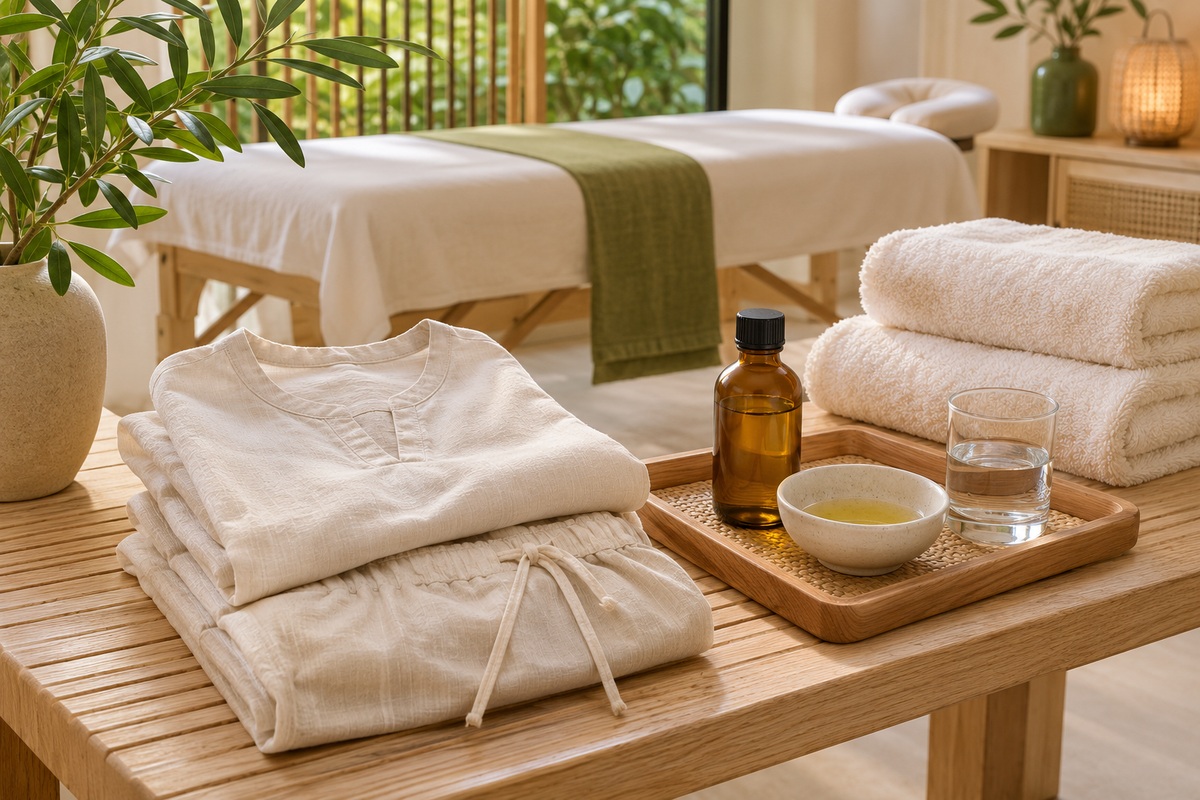
Although massage is generally considered low risk for many healthy adults, certain medical circumstances require additional caution.
Speak with a qualified healthcare professional before booking if you have concerns involving:
- Recent surgery, fractures, sprains, or injuries that have not healed.
- Osteoporosis or conditions that make bones more fragile.
- Blood clots, bleeding disorders, or medication that increases bruising risk.
- Pregnancy, particularly when certain positions or stretches may require modification.
- Significant cardiovascular conditions or other medical concerns that may affect massage safety.
These situations do not always mean massage is prohibited. However, the appropriate techniques and precautions depend on your individual health circumstances.
The National Center for Complementary and Integrative Health notes that serious complications from massage are uncommon, although injuries have occurred, particularly with vigorous techniques or among people at greater risk.
If you experience sharp pain, numbness, dizziness, or unusual discomfort during a massage, ask the therapist to stop or modify the treatment.
Massage should support your comfort rather than become something you feel obligated to endure.
Choosing Your Massage at Shevaness Thai Spa in NYC
The choice between Thai massage and Lomi Lomi ultimately comes down to the type of experience you enjoy.
If you prefer rhythmic pressure, assisted stretching, and guided movement, traditional Thai massage may be a natural choice. If you enjoy continuous strokes, massage oil, and an opportunity to relax with less repositioning, Lomi Lomi may better match your preferences.
Neither treatment is automatically better for everyone. Your physical comfort, personal goals, and any health considerations should guide the decision.
At Shevaness Thai Spa in Midtown Manhattan, you can explore both approaches through treatments designed around different preferences.
Our Royal Thai Massage incorporates traditional Thai pressure techniques and assisted stretching for guests who enjoy movement-focused bodywork.
Our Aloha Lomi Lomi Massage offers a Hawaiian-inspired experience featuring flowing forearm strokes, rose massage oil, and adjustable pressure for those who prefer a continuous, oil-based treatment.
Whether you spend your day working in Manhattan, exploring New York City, or simply looking for time to unwind, choosing a massage that feels right for you can make the experience more enjoyable.
Explore our massage services to find a treatment that matches your needs and preferences.